

Introduction: The Evolving Landscape of B2B Media Buying
In B2B commerce, we’re experiencing seismic shifts that redefine the norms of how buyers engage and make decisions. The paradigm is moving from traditional sales teams of individual sellers to a more comprehensive model of organizational digital sales. As buyers grow more digitally enabled and their decision-making becomes increasingly complex, the quintessential sales model is showing cracks. Advant Technology recognizes that the real challenge for B2B sales organizations isn’t merely to boost individual seller performance and instil confidence in customers, ensuring they believe they’re making the best business decisions.

For Advant Technology, this means not just being ahead in programmatic advertising but understanding that our client’s audience now demands richer, more informative digital experiences. Like B2C consumers enjoy seamless online retail experiences, B2B buyers now expect a similar, intuitive digital interface, even if the products and services are more complex.
Cross-Channel Integration: Maximizing Reach and Impact
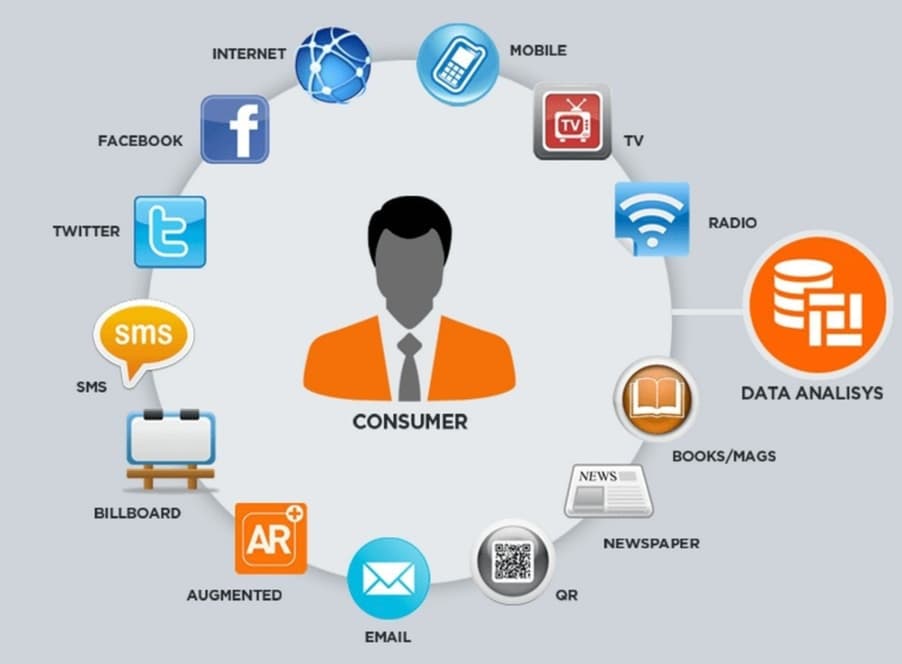 Embracing a digital-first mindset doesn’t negate the importance of conventional channels; it’s about weaving them into a consolidated strategy where digital media channels are central. As the digital landscape flourishes, platforms like Google DV360, LinkedIn Ads, Meta Ads, Quora Ads, Reddit Ads, and Taboola, among others, are becoming critical. Buyers can be found across many platforms; there is no silver bullet to finding these customers. These platforms empower brands to maintain a consistent presence across multiple digital touchpoints, which is essential, especially for complex high-value ticket items prevalent in the manufacturing, finance and IT industries.
Building Effective Buyer Personas for Precise Ad Targeting

We combine advanced data analytics with our extensive experience in B2B media buying. Crafting insightful buyer personas is paramount. Here’s why and how:
- Tailored Messaging: Detailed personas reveal motivations and challenges, allowing for precise, impactful messaging.
- Optimized Ad Spend: Knowing your audience ensures efficient allocation of advertising resources.
Crafting Impactful Buyer Personas:
- Engage and Listen: Gain insights from direct interactions with existing clients.
- Stay Updated: Continually refine personas to reflect evolving market needs.
- Diverse Data Sources: Utilize sales data, customer feedback, and market research for a comprehensive view.
Account-Based Marketing (ABM) and B2B Media Buying in 2023
Account-Based Marketing (ABM) in 2023 is about zeroing in on high-value accounts with unmatched precision and integrating tools for maximum impact.
- Precision Targeting with LinkedIn: LinkedIn Ads have become a powerful ABM tool, allowing businesses to directly pinpoint and engage specific company stakeholders.
- Insight-Driven Engagement with Bombora: Leveraging Bombora’s intent data ensures that your messages reach accounts showing a genuine interest in your offerings.
- Cross-Platform Synergy: Overlaying Bombora’s insights onto platforms like Facebook, Twitter, and programmatic platforms ensures a harmonized approach, providing consistent and relevant messaging wherever your targets are active.
Advant Technology’s Edge: We understand the intricacies of ABM. By integrating platforms like LinkedIn and Bombora with broader digital tools such as Facebook, programmatic display and Twitter, we can craft bespoke strategies that resonate with your target account list (TAL).
Measuring Success: KPIs and Metrics for B2B Media Buying
In 2023, the metrics chosen to evaluate campaigns will be more critical than ever. Here’s what stands out for our clients:
- Return on Investment (ROI): A direct measure of the financial impact of your advertising efforts.
- Cost per Lead (CPL): Understanding the investment needed for each quality lead.
- Brand Awareness: A gauge of your brand’s recognition and visibility among potential clients.
Video Advertising: A Powerful Tool in B2B Media Buying
 Video has rapidly emerged as a preferred medium in B2B marketing. Here are five compelling reasons why video is indispensable in a B2B setting:
- Complexity Simplified: B2B products or solutions can often be intricate. Videos provide a platform to break down and explain these complex topics in a visually engaging and easily digestible manner. This makes understanding product functionality or service value propositions quicker and more intuitive.
- Emotional Connection: Unlike written content, videos have the power to evoke emotion. They can humanize your brand, showcase real people, and tell compelling stories. This fosters trust, crucial in B2B relationships where transactions often involve significant investments.
- Enhanced Engagement: Video content tends to retain viewers’ attention longer than textual content. With captivating visuals and narratives, potential clients are more likely to watch a video in its entirety, leading to better message retention.
- SEO Benefits: Search engines prioritize content that engages users. Videos, known for their high engagement rates, can improve a website’s SEO, driving more organic traffic and increasing the potential for lead generation.
- Versatile Application: Videos can be leveraged across multiple stages of the B2B buying journey. The applications are vast and varied, from explainer videos that introduce products to testimonial videos that build trust to in-depth webinars that nurture leads.
Native Advertising: Seamlessly Blending with B2B Content
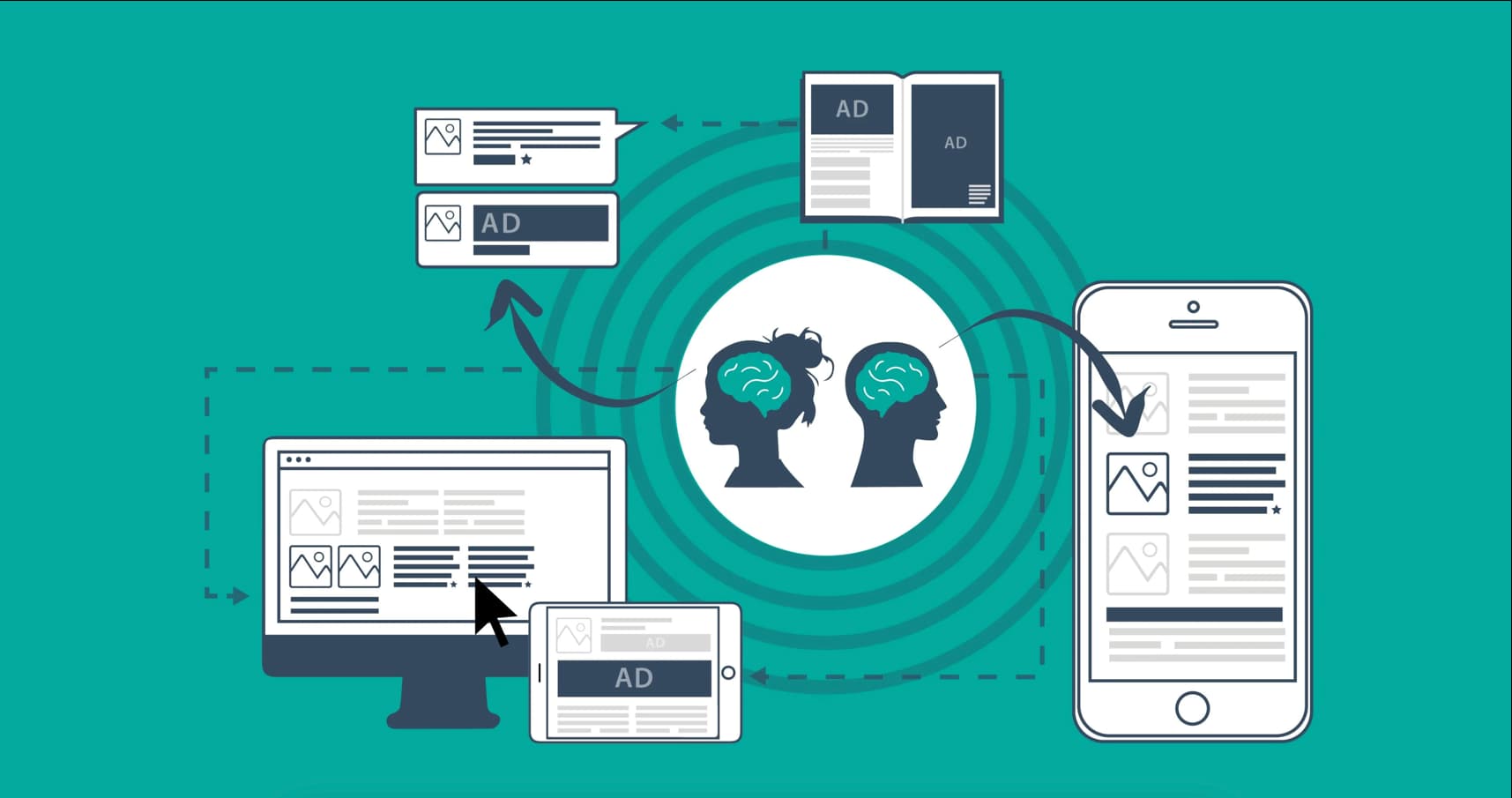 Native advertising has become a cornerstone for B2B marketers, offering ads that integrate smoothly with the user’s content experience.
- Non-Intrusive Approach: Unlike traditional ads, native advertisements are designed to match the platform they’re on, leading to a less disruptive user experience.
- Higher Engagement: Because native ads don’t “feel” like ads, they tend to have higher engagement rates, making them particularly effective for B2B audiences.
- Platform Diversity: Platforms like Taboola and Quora Ads offer robust native advertising options, ensuring your B2B content reaches the right eyes in a familiar and engaging format.
The B2B Buying Process has Changed, Has Your Sales Strategy?
As digital channels redefine the way buyers acquire information, sales teams are finding it increasingly challenging to influence their decisions. According to Gartner’s research, when B2B buyers are in the contemplation phase, they spend a mere 17% of their time conversing with potential suppliers. And if they’re comparing various suppliers? The time drops to 5% or 6% with any single sales representative.
This shift can be attributed to the wealth of quality information available online, empowering buyers to research independently. The graphically presented data from Gartner showcases that 77% of B2B buyers find their recent purchasing experiences to be complex or challenging. This complexity arises from the typical B2B solution purchasing scenario where there’s not just one decision-maker but a group of six to ten, each equipped with different pieces of independently gathered information.
Gartner identifies six pivotal “jobs” that B2B customers need to address during their buying journey:
- Problem Identification: Recognizing a need or challenge.
- Solution Exploration: Researching potential solutions.
- Requirements Building: Specifying what the solution should achieve.
- Supplier Selection: Choosing the supplier that aligns with their requirements.
- Validation: Ensuring the chosen solution is indeed the right fit.
- Consensus Creation: Getting buy-in from all decision-makers.
However, these “jobs” are anything but linear. Buyers loop through these stages, often revisiting each step multiple times before making a final decision.
This non-linear and intricate journey underscores the importance of information. Information that’s easily digestible and accessible can significantly simplify the buying process. Gartner’s research further substantiates this, revealing that customers who felt suppliers provided useful information were 2.8 times more likely to find the buying process easy and were three times more likely to make larger purchases with minimal regrets.
Conclusion:
In the dynamic world of B2B marketing, mastering media buying is no longer just about securing the best ad spots; it’s about understanding the evolving nuances of buyer behaviours, leveraging the most impactful media channels, and delivering a seamless and meaningful experience to potential clients. As the digital landscape continuously evolves, so does the complexity of B2B purchasing decisions.
Strategies that prioritize rich virtual experiences, data-driven insights, and authentic storytelling through mediums like video not only position brands at the forefront but also foster trust and deeper connections. Recognizing that the B2B buying journey is more intricate and less linear than ever before, businesses need to meet their audience where they are, delivering relevant content that aids their decision-making process.
As we navigate the future of B2B media buying, we must remain agile, informed, and customer-centric. The brands that succeed will be those that not only adapt to the shifting sands of digital marketing but also anticipate and shape the future needs of their audience.